 MOHANCAD
MOHANCAD
MOHANCAD
Professional design optimization services focused on improving mechanical performance, reducing complexity, enhancing manufacturability and creating more efficient engineering solutions.
Design optimization is the process of improving an existing mechanical design to achieve better performance, efficiency, manufacturability and overall functionality.
By reviewing component geometry, material usage, manufacturing requirements and functional performance, design improvements can help reduce unnecessary complexity and create more practical engineering solutions.
The goal is not simply to change a design, but to refine it intelligently while maintaining the required strength, reliability and intended function.
Improve functionality and overall mechanical efficiency.
Reduce unnecessary material while maintaining function.
Improve designs for practical production processes.
Simplify complex designs through practical engineering.
Practical design improvements focused on performance, manufacturability, efficiency and smarter engineering solutions.
Improve shapes, dimensions and features for better functionality and practical manufacturing.
Reduce unnecessary material while maintaining the required strength and structural performance.
Identify opportunities to reduce component weight without compromising essential functionality.
Modify designs to better suit machining, fabrication and other practical production methods.
Simplify part relationships and improve assembly processes for easier installation and maintenance.
Reduce unnecessary complexity and create cleaner, more practical mechanical component designs.
Explore practical improvements that can help reduce material, machining and production costs.
Refine mechanical designs to improve overall functionality, efficiency and reliability.
A structured engineering process used to identify design improvements and create practical, efficient and manufacturing-focused solutions.
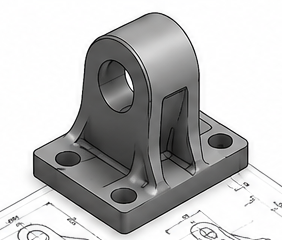
Review the current CAD model, drawing or available design information.
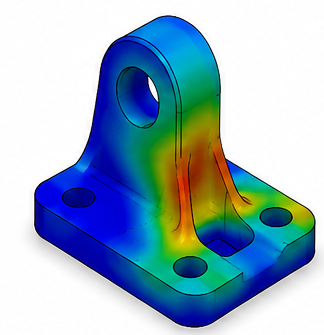
Identify design limitations, unnecessary complexity and possible improvement areas.
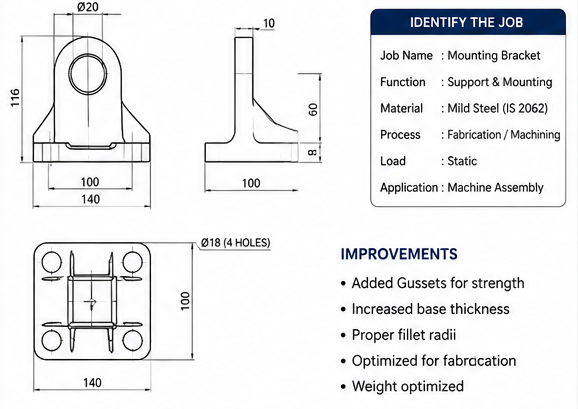
Develop practical concepts to improve performance, efficiency and manufacturability.
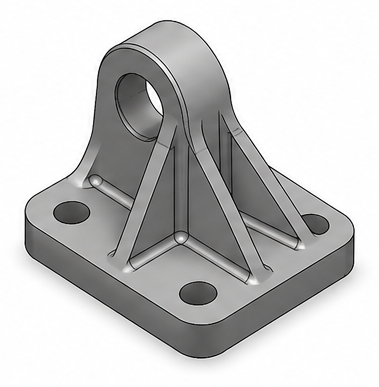
Update the geometry and features based on the selected optimization approach.
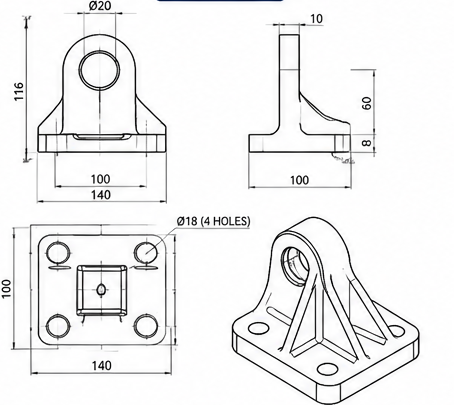
Review dimensions, functionality and manufacturing considerations before finalizing.
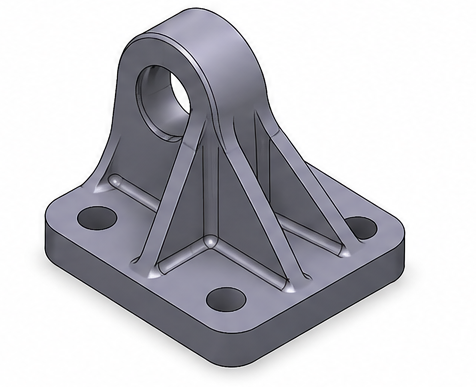
Deliver the optimized CAD model and updated engineering documentation.
Every design optimization project is approached with a practical engineering mindset. The focus is not simply on changing dimensions, but on identifying meaningful improvements that support performance, manufacturability and real-world application.
DISCUSS YOUR DESIGNDesign improvements focused on real mechanical requirements and practical applications.
Optimization decisions consider machining, fabrication and practical production methods.
Careful attention to geometry, dimensions and functional design requirements.
Simple and understandable design improvements with a clear engineering purpose.
A structured engineering journey that transforms your concept into a practical, production-ready product.
Concept, requirements and initial product information.
3D CAD modeling, concept development and product visualization.
Manufacturing, assembly and performance optimization.
Complete engineering output prepared for real-world production.
See how practical design changes can improve geometry, manufacturability, efficiency and overall mechanical performance.
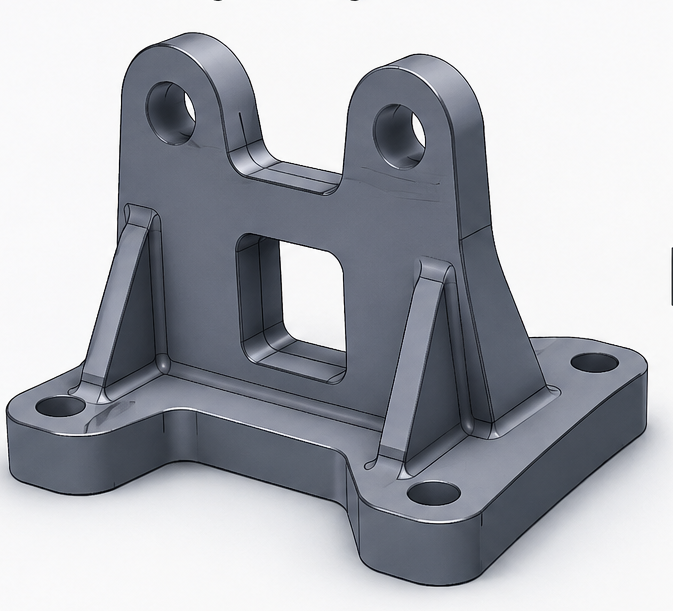
The existing design is reviewed to identify unnecessary features, complex geometry, excess material or manufacturing difficulties.
The optimized design focuses on simpler geometry, better manufacturability, reduced complexity and improved overall efficiency.
Find answers to common questions about the design optimization process and deliverables.
Design optimization is the process of improving an existing mechanical design to achieve better performance, efficiency, manufacturability, reliability or cost effectiveness.
Yes. Existing 3D CAD models, 2D drawings or available design information can be reviewed and modified based on project requirements.
Yes. Geometry and material usage can be reviewed to identify opportunities for weight reduction while maintaining required functionality.
Yes. Machining, fabrication, assembly and production requirements can be considered during the optimization process.
You can provide STEP, IGES, STL, SolidWorks files, AutoCAD drawings or other available engineering documentation.
Depending on the project, deliverables can include optimized 3D CAD models, updated drawings, standard CAD formats and a summary of improvements.
Share your existing CAD model, drawing or design requirements and let's explore practical ways to improve performance, manufacturability and overall efficiency.